by Clair Meij
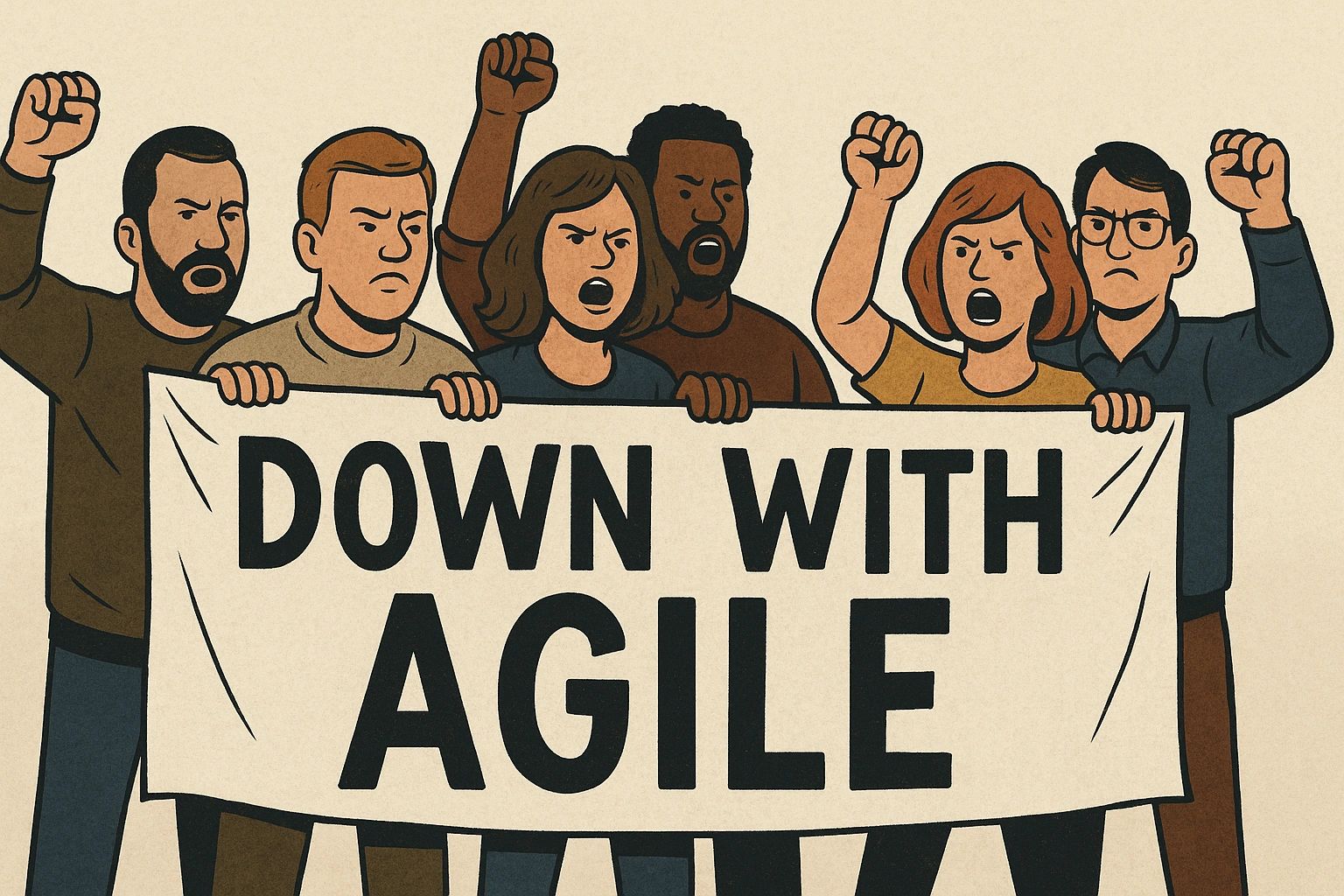
Maybe it's my rebellious spirit, being part of the riot grrrl generation, maybe it's just plain logic, but I'm officially done with "agile-as-we-know-it."
When did agile become about constraint instead of creating focus and flow? And why are we clinging to Scrum as if it's the literal agile glue holding value delivery together?
What if we simply focused on clearing the way for smart people to do what they do best, and instead put our energy into pulling value through our systems? This whole Sisyphean task of spending upfront time massaging story points to perfectly fill a sprint, only to roll work over, fails more often than not in today’s world of fast delivery, often creating mistrust with stakeholders and the business. And there's a good reason why: It's not because developers are lazy, can't focus, or don't care, or even because Scrum is a bad tool (it's not!). It's because the world in which we deliver software has fundamentally changed since 1995 – and that's a really good thing! Scrum was a brilliant leap forward in '95, offering a revolutionary way to bring order and iterative progress to software teams. However, the world of software delivery has since picked up warp speed, making the rigid cadence of sprints less relevant when we can ship value continuously.
I recently met a very talented, very senior software developer who was "nervous" about introducing agile into his highly innovative team. He felt that agile often forces process instead of making teams nimbler. He skeptically asked me, "How many standups do you think a team should have a week?" and "What are your thoughts on story pointing? My '1' always ends up being a '5'." The ensuing discussion reinforced something for me: The more I've learned in this space, the less I subscribe to agile practices, frameworks, and yes, even ‘process’ as didactic and immovable things. Despite that, I still consider myself an agility purist. My focus has, over the years, shifted from forcing a framework to enabling flow throughout the value delivery system.
The Agile Manifesto, for me, hasn't dated. Its intention remains crystal clear: Put the customer first. Stay close to their needs. Hire smart people, support them, get out of their way, and they will deliver the best possible product. Delivering valuable software is the single biggest success metric. By inspecting our outcomes frequently, along with our customer's feedback, we can iterate, pivot, and learn to improve.
So, to address the big, old elephant in the room: Where does this leave Scrum Masters, Agilists, and Agile Coaches? I think our work just got juicier! Instead of using our skills to facilitate, administrate, and sometimes capitulate at the altar of Scrum, we still get to use our deep understanding of the "why" to help delivery teams get to the "how" of agile delivery. We still get to help teams spend time at the front of the funnel, unconstraining work from blockers and dependencies, keeping the focus on limiting the size and number of simultaneous pieces of work, and keeping communication wide open and fully transparent. We get to apply the best possible agile solution to a particular team's problems. This means we can engage more deeply with the product's purpose and genuinely drive the delivery of high-value outcomes. Now, even more than ever, we can create an environment where agility will keep pace with rapid growth and innovation. I think it's incumbent on all of us to innovate along with this rapidly changing market.
So, go grow your skills, diversify your agile toolbox, and get agnostic about certifications, brand names, and frameworks. And then, dedicate yourself to clearing the path for value delivery for your organization.
Take good care, and let's keep iterating together.
Clair
About Clair Meij: As an experienced agilist, my core mission is simple: deliver results and cultivate healthy, sustainably-paced teams. In our ever evolving world of software delivery, I firmly believe agilists must dive deep into the "why" of diverse frameworks and practices, then become truly agnostic. It's about expertly tackling business challenges, not rigidly applying a one-size-fits-all framework.
You can often spot me in my trusty Dr. Martens, a constant since '93 (fashion trends be darned!). Beyond my iconic boots, my life revolves around embracing growth, innovation, and positive change. My personal mantra? “If you haven’t changed a major opinion in the last 5 years, check your pulse, you may be dead.” (Often attributed to Galett Burgess)
Growing up as the eldest of four across England, South Africa, Malawi, the Seychelles, and Uganda gifted me a wonderfully weird accent and a practical education in dismantling and rebuilding. This journey instilled a deep love for improving systems and structures by empowering smart people to catalyze meaningful change. I'm always asking, "But why (not)?" and "What would happen if we just tried?"
Continue exploring

September 16, 2025
The Agile Anti-Framework: Crafting Your Own Path to Value
by Clair Meij
August 17, 2026
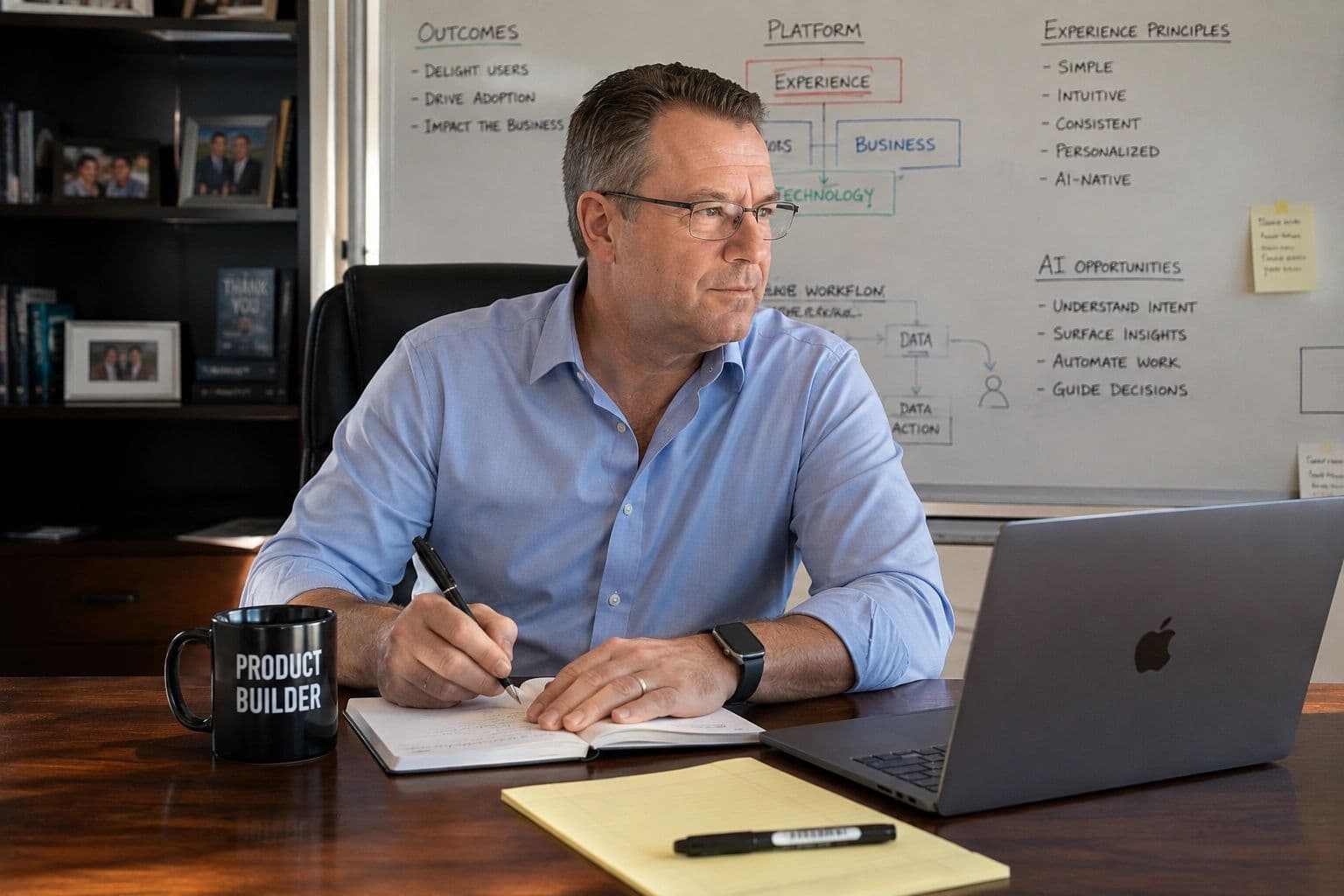
When Architecture Becomes Experience
One of the more interesting things I’ve noticed over the years is that software companies and customers often define the word platform very differently.
July 21, 2026
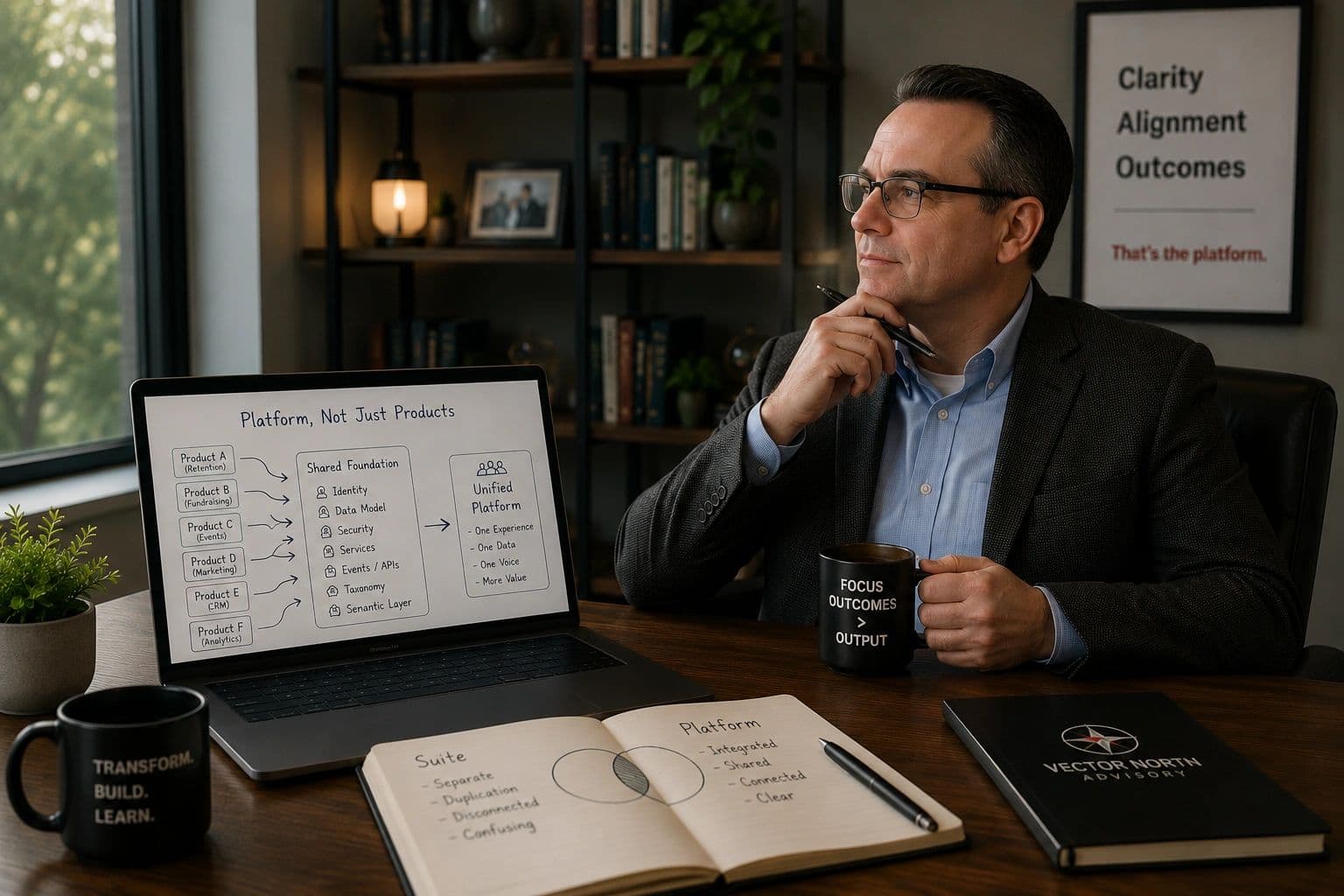
When a Suite Becomes a Platform
Spend enough time in enterprise software and you’ll eventually notice that certain words begin to lose their meaning. "Innovation" is one of them. "Transformation" is another. Lately, I think "platform" belongs on that l...