Product managers, gather ’round. Let me tell you a tale of our not-so-distant past, back when roadmaps were hand-chiseled on stone tablets (read: Excel), customer interviews were conducted via interpretive dance (read: Zoom calls with dodgy Wi-Fi), and the only thing generating content faster than a PM under deadline pressure was our Slack banter.
And then came Generative AI... and half the team pretended they weren’t already using it for everything.
Like a hyperactive intern who read every product management book ever written overnight, generative AI exploded onto the scene and politely asked:
“How can I help you build faster, think smarter, and maybe spend a little less time arguing over backlog grooming?”
It turns out, the answer is: quite a lot.
In this post, we’ll dive into the transformative role generative AI is playing in modern product management, using bite-sized, real-world examples, prompt ideas, and a healthy dose of my dry humor to help it all go down easy. (I promise, this won't hurt!)
Oh, one piece of important advice about Generative AI before I dive in.
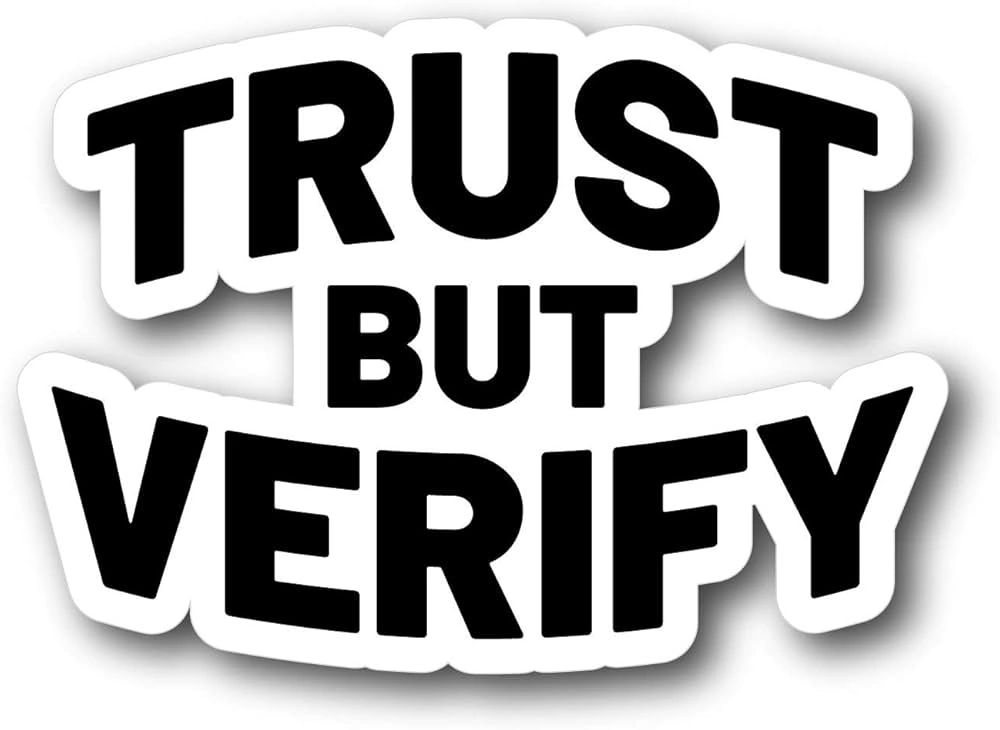
Hopefully I made that large enough so that you get the importance of this statement. AI can hallucinate. No, AI is not on a bad acid trip. Generative AI models are trained to predict the next word based on patterns in massive datasets (books, websites, articles, etc.). They don’t have a fact-checking mechanism or access to a real-time database of truth, they simply generate what is statistically likely to come next in a sentence. So save yourself some potential embarrassment and verify the output of the Generative AI tool before trying to pass it off as gospel truth.
From Idea to Insights: Speeding Up Discovery
Let’s start at the top of the funnel: discovery. You know, the part of the product lifecycle where we pretend we have no biases and humbly seek the truth. *coughs*
Problem:
Market research is time-consuming, customer interviews take weeks to organize, and synthesizing findings is about as fun as root canal surgery.
Solution:
Generative AI can dramatically shorten discovery cycles by generating user personas, identifying market trends, and even simulating user interviews.
Prompt Examples:
- “Summarize current trends in small business payment platforms for North America.”
- “Create a persona for a nonprofit development director using a cloud-based CRM platform.”
- “What are common frustrations voiced in online reviews of volunteer management software?”
Real Example:
A product team at a mid-sized SaaS company used GPT-based AI to scan and summarize over 1,000 app store reviews and generate a prioritized list of user pain points in under an hour.
What once required a junior analyst and two pots of coffee now takes minutes.
Writing Requirements Without the Headache
Some PMs love writing requirements. Others… treat it like the Sunday-night homework they forgot was due.
Problem:
You need clear, concise user stories. But you also need them fast, and preferably without burning out your brain by rewriting the same acceptance criteria in five different ways.
Solution:
Generative AI can help draft epics, user stories, acceptance criteria, and even test cases based on high-level goals.
Prompt Examples:
- “Write a user story for a feature that allows volunteers to sign up for shifts using a calendar interface.”
- “Generate acceptance criteria for a marketing dashboard that shows real-time progress toward a marketing qualified lead goal.”
- “Suggest test scenarios for a password reset feature with email verification.”
Real Example:
A product team building an internal admin dashboard used ChatGPT to convert feature descriptions into full user stories, complete with edge case test suggestions. The result? Less time typing, more time thinking.
Generating UX Copy That Doesn’t Sound Like a Robot (Ironic, I know...)
Problem:
Writing empty state copy, tooltips, error messages, and onboarding flows can quickly consume hours of a PM’s week. And let’s face it, not all of us are secret poets.
Solution:
Generative AI tools (like ChatGPT, Claude, and Gemini) are surprisingly good at writing helpful, friendly microcopy. Even better? You can give it tone, context, and constraints. (You can even ask it to write it in the tone of a specific person, i.e., Rocky, the Godfather, Bob Ross, etc.)
Prompt Examples:
- _“Write a friendly tooltip for a ‘delete account’ button in a CRM app.” _(As the Godfather - "You click this, your account disappears… like it never existed. You sure this is the business you wanna be in, my friend?")
- _“Give me five variants of onboarding messages for a marketing insights dashboard, using a professional but warm tone.” (As Bob Ross - _“Welcome aboard. Let’s explore your marketing insights—one happy little metric at a time.”)
- “Explain the difference between ‘pledge’ and ‘donation’ in under 30 words for a tooltip.” (As Rocky - “Yo, a pledge’s like sayin’ you’ll give money later. A donation? That’s when you actually step in the ring and put the money down, no excuses.” )
Real Example:
A PM at a nonprofit tech startup used ChatGPT to test three styles of onboarding copy, resulting in a 12% increase in activation rate for new users. The winning version had just the right mix of warmth and clarity—crafted by AI, tuned by a human.
Product Strategy Gets a Brainy Partner
Problem:
Strategic planning requires synthesis of many complex signals: competitor moves, customer feedback, tech trends, internal resourcing, and more. And sometimes, you just need a sounding board that doesn’t talk back.
Solution:
Generative AI can analyze trends, suggest strategic frameworks, and even run SWOT analyses (though it draws the line at boardroom politics).
Prompt Examples:
- “Analyze the risks and opportunities of entering the virtual events market for small nonprofits.”
- “Compare the feature set of Mailchimp against Constant Contact.”
- “What are the pros and cons of shifting from freemium to usage-based pricing for a marketing automation app?”
Real Example:
A product leader prepping for a strategy offsite used AI to generate high-level SWOT and PESTLE analyses of the prospective customer engagement space. That analysis seeded an entire half-day session, and saved three days of prep.
Visualizing Like a Pro (No Illustrator Degree Required)
Problem:
Product managers often need diagrams, customer journey maps, and UX flows, but lack the time or tools to make them beautiful.
Solution:
AI tools like Whimsical AI, Miro AI, and Figma plugins can now auto-generate wireframes, diagrams, and process flows from written prompts.
Prompt Examples:
- “Create a user journey for a volunteer signing up for an event, including edge cases.”
- “Generate a wireframe for a email creation page optimized for mobile.”
- “Make a swim lane diagram showing coordination between CRM, billing, and inventory platforms.”
Real Example:
A PM working with an offshore design team used AI to convert rough product notes into low-fidelity wireframes, reducing back-and-forth cycles by 60%.
Internal Comms That Don’t Put People to Sleep
Problem:
Product updates, feature announcements, release notes, these things matter. But most of them sound like they were written by a toaster.
Solution:
AI can help write comms that are informative and engaging. It can even adjust tone depending on audience (engineering vs. sales vs. customers).
Prompt Examples:
- “Write a release note for a new feature that lets marketers track social posts. Audience: current customers. Tone: friendly and informative.”
- “Summarize this 5-page feature doc into an email for sales leaders. Keep it punchy.”
- “Translate this roadmap update into a Slack announcement with light humor.”
Real Example:
An enterprise PM team used GPT-4 to tailor internal feature launch emails by department. Engineers got detailed specs. Sales got benefits and talking points. Everyone stayed awake. Win.
Better Backlog Grooming (No More Guesswork)
Problem:
Prioritization is hard. Impact estimation is harder. Getting consensus on priority? Cue the existential dread.
Solution:
Generative AI can help estimate effort, suggest priority based on user data, and even surface dependencies or edge cases you might miss.
Prompt Examples:
- “Rank these 10 backlog items using the RICE scoring model. Use placeholder estimates.”
- “Identify potential blockers for implementing a new prospect segmentation tool.”
- “Generate a Kano model chart based on this list of potential features.”
Real Example:
A cross-functional team used GPT-based scoring models to run what-if prioritization scenarios during backlog refinement. The result? Faster meetings, fewer debates, and a shared sense of sanity.
Support for Customer Support
Problem:
PMs often get pulled into the support vortex: reviewing tickets, answering tough questions, or explaining “why the button is blue, not green.”
Solution:
Generative AI can help summarize support trends, generate FAQ responses, and even propose self-service content ideas.
Prompt Examples:
- “Summarize the top support issues from the last 30 days of Zendesk tickets.”
- “Draft FAQ entries for recurring questions about our API.”
- “Write help center article outlines based on these 10 feature requests."
Real Example:
A PM triaged a wave of customer support tickets with AI-generated summaries, allowing her to identify a critical usability issue in hours instead of days. Bonus: she got her lunch break back. (Lunch? What's lunch?)
AI as a PM Coach (or Therapist 👈🏻 This)
Problem:
Sometimes you need to talk through a tough stakeholder convo. Or prep for a roadmap presentation. Or just scream into the void (metaphorically...or maybe not...).
Solution:
Generative AI can be a role-play partner, a rehearsal buddy, or a thought clarifier.
Prompt Examples:
- “Help me prepare talking points to explain a roadmap delay to an executive team.”
- “Simulate a conversation where a sales leader pushes back on feature prioritization.”
- “Give me a pep talk before a product strategy meeting. Tone: supportive, slightly sarcastic.”
Real Example:
A senior PM used AI to role-play a stakeholder meeting with a high-stakes executive. The simulation helped him refine his pitch, anticipate objections, and walk in feeling like a product Jedi.
But Wait—What About the Risks?
Yes, generative AI is powerful. But with great power comes…
Hallucinations: AI sometimes makes things up. Always fact-check.
Bias: AI reflects the data it was trained on. Be mindful of skewed assumptions or stereotypes.
Confidentiality: Don’t paste sensitive product data into public tools. Use secure environments.
OverrelianceOver Reliance:Over R Over Reliance: AI is a tool, not a replacement for human creativity, judgment, or that sixth sense we develop from years in the field.
Final Thoughts: PMs, Meet Your New Goose (Copilot)
Generative AI isn’t here to replace product managers. It’s here to unshackle them.
To move from the tyranny of templated documents and formatting hell… to insight, creativity, and impact. To speed up the parts of our jobs that feel like digital yard work so we can double down on what really matters: building things people love.
So, the next time you find yourself staring blankly at a Notion page, or wondering if anyone will ever read your Product Brief, try this:
Take a breath. Open your favorite generative AI tool. And prompt:
“Help me turn this idea into something that moves the needle. And make it sound like a human wrote it. A slightly funny one, if possible.”
You just might be surprised what happens next.
Wishing you all the best in your AI journey
Mike
PS. Feel free to drop your AI use cases and favorite prompts in the comments below, because, sharing is caring. 😊
Continue exploring

August 17, 2026
When Architecture Becomes Experience
One of the more interesting things I’ve noticed over the years is that software companies and customers often define the word platform very differently.

July 21, 2026
When a Suite Becomes a Platform
Spend enough time in enterprise software and you’ll eventually notice that certain words begin to lose their meaning. "Innovation" is one of them. "Transformation" is another. Lately, I think "platform" belongs on that l...

July 6, 2026
Invisible During the Work. Visible in the Value.
One of the more interesting conversations I've been having lately starts with a deceptively simple question. Should AI be visible?